Kitchen Ventilation: Range Hoods for Florida Homes
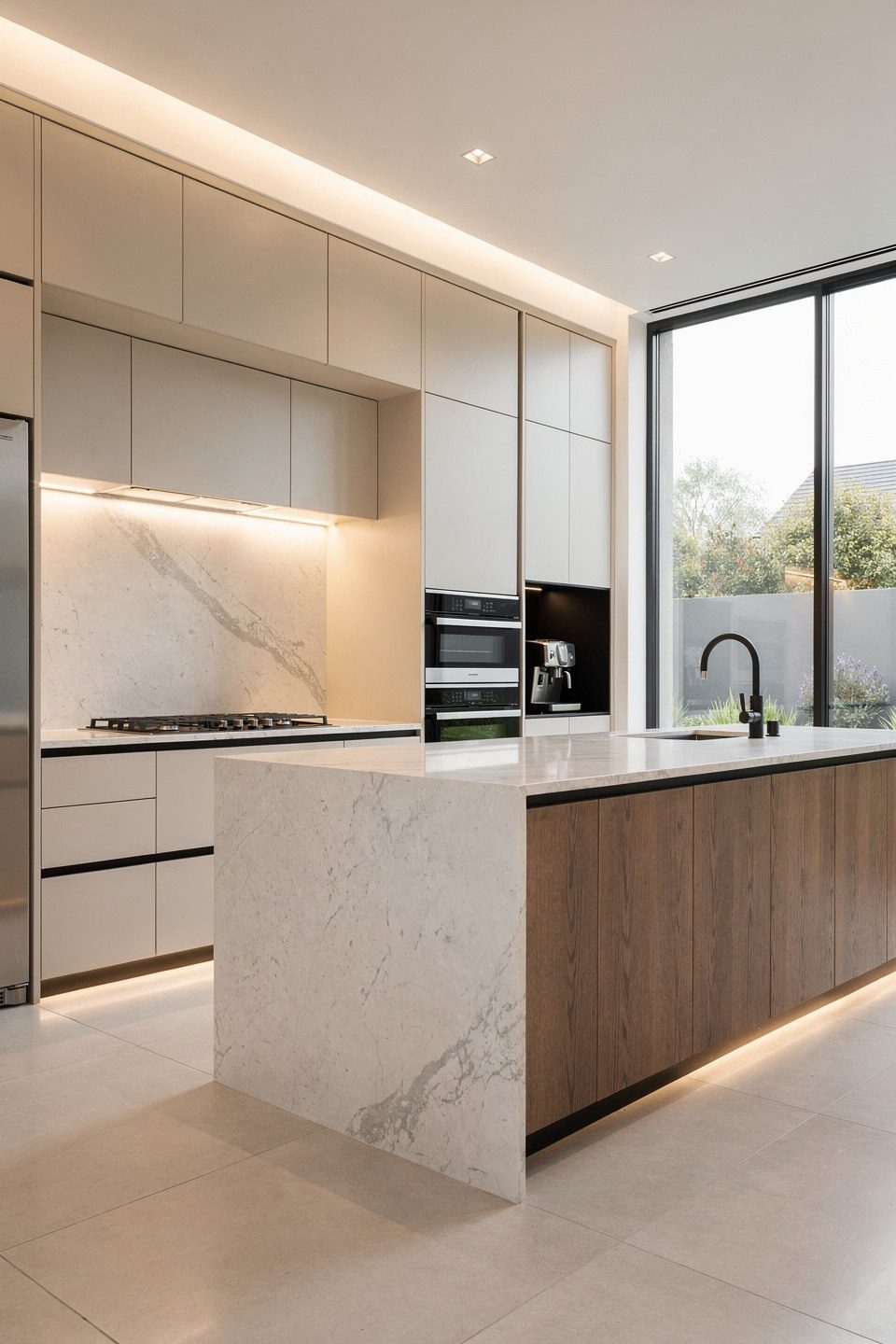
Ventilation is the least glamorous decision in a kitchen remodel and one of the most consequential. In Florida's sealed, air-conditioned, humidity-fighting homes, a poorly planned range hood does not just leave cooking odors behind — it pushes grease into cabinetry, moisture into conditioned air, and can even backdraft other appliances. Here is how we approach kitchen ventilation on every kitchen remodeling project we build in South Florida.
Why Ventilation Matters More in Florida
Modern Florida homes are built tight — impact windows, sealed envelopes, and air conditioning working hard against humidity. Cooking adds heat, steam, grease aerosols, and combustion byproducts to that closed system. Without proper exhaust, the moisture load lands on your HVAC system and, over time, on your walls and cabinetry — a genuine mold-risk factor in our climate. A properly ducted hood removes contaminants at the source, before the air conditioning has to deal with them.
Ducted vs. Recirculating: An Easy Call
Recirculating (ductless) hoods filter air and return it to the room. They capture some grease and almost none of the heat or moisture. In a luxury kitchen — especially one with a gas or high-output range — ducted exhaust to the exterior is the only serious option. We treat recirculating units as a last resort for condo situations where exterior ducting is prohibited, and even then we plan charcoal filter maintenance honestly.
Sizing the Hood: Capture Area and CFM
Two dimensions matter, in this order:
- Capture area. The hood should be at least as wide as the cooking surface — ideally 6 inches wider (a 42-inch hood over a 36-inch range) — and deep enough to cover the front burners. A huge blower cannot fix an undersized canopy.
- Airflow. A common range hood CFM guideline for gas is roughly 100 CFM per 10,000 BTU of burner output; high-output 48- and 60-inch ranges push requirements to 1,000+ CFM. Induction cooktops need meaningfully less.
Island hoods need extra capacity because cross-drafts — including breezes from those big sliders to the lanai — disrupt capture. Mounting height, typically 30–36 inches above the cooktop, is a balance between capture and headroom that we resolve on drawings, not on site. Baffle filters outperform mesh for serious cooking and clean up in the dishwasher — specify them.
Make-Up Air and the Florida Building Code
Here is the rule that surprises homeowners: under the Florida Building Code (following the residential mechanical code), exhaust systems over 400 CFM require make-up air — a dedicated path for replacement air to enter the house. In a tightly sealed home, a powerful hood without make-up air depressurizes the house, straining door seals, pulling humid outdoor air through every gap, and potentially backdrafting gas water heaters or dryers. Solutions range from motorized dampered intakes tied to the hood switch to conditioned make-up air systems. This is exactly the kind of code-driven engineering our design-build team handles — mechanical design, permits, and inspections under one roof, as covered on our FAQ page.
Ducting Through Concrete Block and Hurricane Country
South Florida construction adds practical wrinkles. Duct runs should be short, smooth metal, and as straight as possible; every elbow costs performance. Concrete block walls and concrete roof structures require planned core drilling, and exterior terminations must be rated for wind-driven rain — in Miami-Dade and Broward HVHZ areas, use product-approved wall caps. Roof terminations need proper flashing detailed for hurricane exposure. In custom homes, we rough these paths in during design; in remodels, we verify the routing before cabinetry is ordered so the hood you chose actually fits the duct it needs.
Quiet Is a Feature
A hood you refuse to turn on is worthless. Specify remote or inline blowers when budget allows, oversize the duct to lower air velocity, and look for sone ratings, not just CFM. In open-plan Florida living spaces where the kitchen shares air with the family room, quiet ventilation is a daily luxury — one clients consistently rank among their favorite upgrades in our portfolio projects.
Work With Xpert Construction Group
Xpert Construction Group is a Florida licensed and insured general contractor (CRC 1335930) that engineers ventilation properly — sizing, make-up air, code compliance, and permits handled for you. Contact us for a free consultation on your kitchen project.
Plan Your Project With Florida's Luxury Construction Experts
Licensed & insured (CRC 1335930), 25+ years of experience, design-build delivery. Get straight answers and a clear plan.
Schedule a Free Consultation