Hurricane-Rated ADU Construction: Building to Florida Code
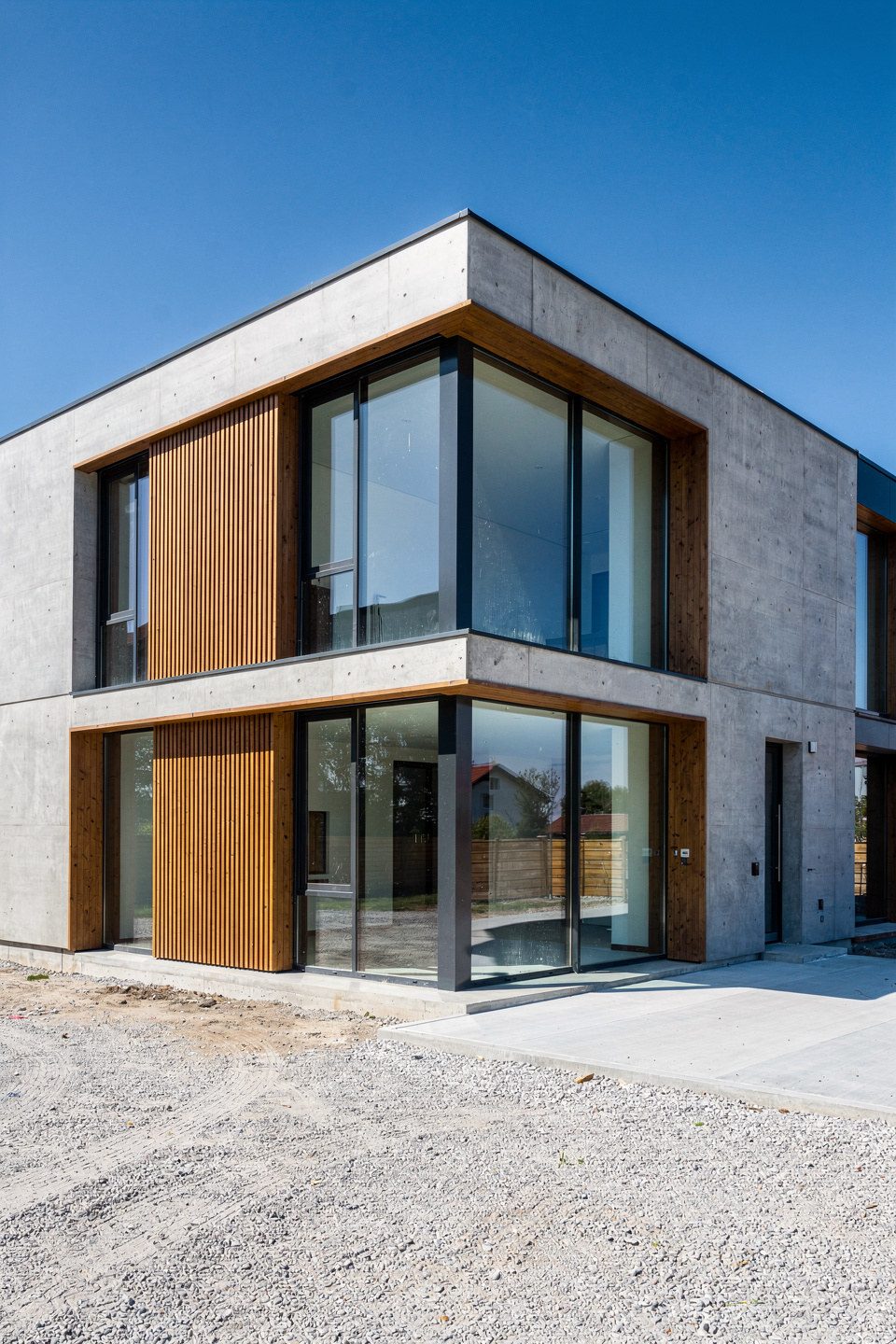
A 700-square-foot guest house in South Florida must survive the same hurricane as a 7,000-square-foot estate. The wind does not scale down for small buildings — and neither does the Florida Building Code. Every ADU we build is engineered to the same standards as our custom homes, because in Miami-Dade and Broward counties, those standards are the law, and beyond the law they are simply how you protect people and property. Here is what hurricane-rated ADU construction actually involves.
The Florida Building Code and the HVHZ
Florida's building code is among the strictest in the nation for wind, and it applies fully to accessory dwelling units. In Miami-Dade and Broward counties, projects fall under the High-Velocity Hurricane Zone (HVHZ) — a special code region with the toughest requirements in the country: design wind speeds up to 175+ mph, mandatory impact protection for openings, and product approvals (Miami-Dade NOAs) proving every window, door, and roofing assembly passed large-missile impact and pressure-cycling tests. Palm Beach and coastal counties farther north carry demanding wind-borne debris requirements of their own. The takeaway for homeowners: an ADU is a dwelling, and it is engineered like one — there is no "shed code" shortcut.
The Load Path: How a Small Building Holds Together
Hurricane engineering is about one idea — a continuous load path that carries wind forces from the roof down through the walls into the foundation without a weak link:
- Foundation — engineered slab or stem wall, sized for soil conditions and uplift
- Walls — in South Florida, typically reinforced concrete block with poured cells, or engineered wood framing with a full strap schedule
- Tie beam and roof connections — the critical joint; hurricane straps and embedded anchors resist the uplift that peels roofs off under-built structures
- Roof deck and covering — ring-shank nailing patterns, sealed roof deck as secondary water barrier, and wind-rated shingles, tile, or standing-seam metal
Every connection is specified by a Florida-licensed engineer and verified by inspectors at framing and tie-beam stages of the permit process.
Impact Windows and Doors: Not Optional, Not Regrettable
In the HVHZ, glazed openings must be impact-rated or protected — and for a new ADU, impact windows and doors are the only sensible answer. Beyond storm protection, they deliver year-round returns: no shutters to wrestle before a storm (decisive if the unit houses aging parents or tenants), meaningful noise reduction, better security, UV protection for interiors, and insurance advantages through wind-mitigation credits. On a small building, upgrading every opening to impact glass is a modest line item with outsized value.
Water Is the Other Enemy: Flood Elevation and Envelope
Wind gets the headlines; water does much of the damage. Hurricane-rated construction addresses both:
- Flood-zone elevation. In mapped flood zones, the ADU's finished floor must sit at or above required elevation — achieved with fill, stem walls, and thoughtful entry design.
- Sealed roof deck and secondary water barriers keep wind-driven rain out even if covering is damaged.
- Flashing and waterproofing details at every penetration and opening — where cheap construction fails first in Florida's horizontal rain.
- Site drainage that moves stormwater away from both the ADU and the main house.
Resilience Upgrades Worth Considering
Code is the floor, not the ceiling. On many projects we add: a generator transfer switch or interlock (cooling and refrigeration after a storm are health issues in Florida heat), a wind-rated exterior door on every elevation, metal roofing for longevity in salt air, and gutter-to-drainage systems sized for tropical downpours. These upgrades are inexpensive during construction and disruptive afterward — the same logic we apply across our custom homes and home additions.
The Payoff: Insurance, Value, and Sleep
A hurricane-rated ADU documents its own worth. Wind-mitigation inspections translate impact openings, roof shape, and connection hardware into insurance premium credits. Appraisers and buyers treat a code-built, permitted unit as real living area rather than a liability. And when a storm does come, a properly built ADU is a shelter-grade structure — not the thing you worry about. Learn more about our standards on our why choose us page.
Work With Xpert Construction Group
Xpert Construction Group builds every ADU to full Florida Building Code and HVHZ standards — engineered, inspected, and documented. We are a Florida licensed and insured general contractor (CRC 1335930) with 25+ years of combined experience. Contact us for a free consultation on a guest house built for Florida weather.
Plan Your Project With Florida's Luxury Construction Experts
Licensed & insured (CRC 1335930), 25+ years of experience, design-build delivery. Get straight answers and a clear plan.
Schedule a Free Consultation